

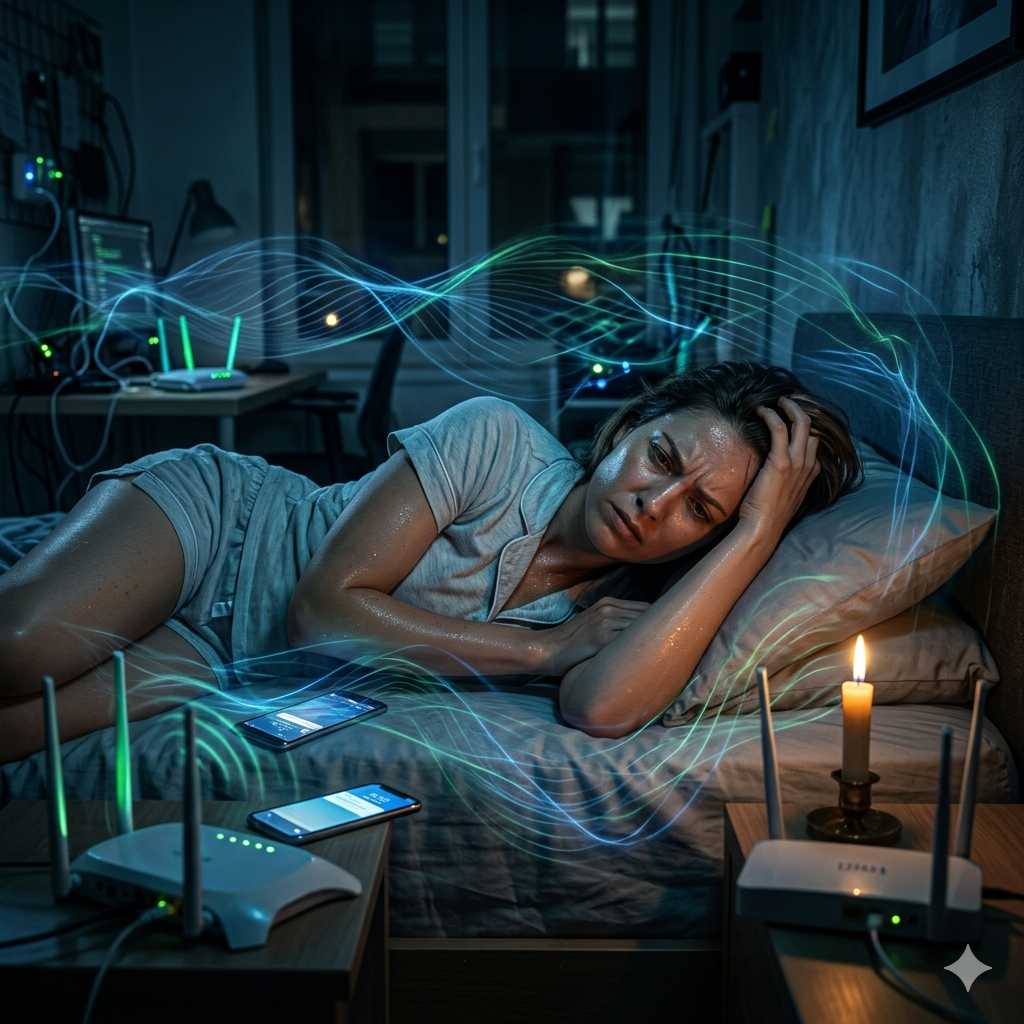
SLEEP DISRUPTION \ ELECTROMAGNETIC SOUP \ ANTIAGING \ BIOHACKING \ DECODE PROJECT – Bralgei Shackry (Gabriel Peșa) • Advanced Nutritionist N.D. • Biohacker 30+ years • June 2026 T
Sleep is the next disruption line for human health.
| Sleep is the most underestimated factor in the entire antiaging, longevity and performance equation. I’ve been saying it for years. Now the data confirms it: it’s becoming a real global crisis. Bralgei Shackry |
It’s no longer a niche topic. It’s becoming urgent. More and more people aren’t sleeping. And the body pays the price instantly.
Processed food loaded with additives, contaminated water, polluted air, chronic stress, exhausting mental and emotional programs, and frequencies that disturb sleep — it all piles up. And sleep becomes the first casualty.
I don’t know how you feel in this rhythm, but it seems to me like we’re subscription slaves, paying for the right to live, breathe, exist.
We’ve started thinking that if we sleep less, maybe we’ll catch up and get everything done. God forbid. That’s not normal. We need sleep. We need rest. If you think that way, it’s clear you’ve been infected by a system that sees you only as an asset to be used to the maximum, then discarded.
The paradox is that nobody forces you to think or act that way. YOU CHOOSE. So choose wisely.
Sleep is the body’s recovery window. Cut it, and regeneration stops. The body doesn’t repair. Doesn’t grow. Doesn’t clean. It simply burns out.
The Perception Paradigm and Its Connection to Sleep
It’s like waking up from sleep — you’re awake, but you haven’t opened your eyes. That’s how most of us are. Unfortunately. And here I’m referring to those with consciousness, not the NPCs (non-playing characters).
We’re awake, but we don’t want to open our eyes because subconsciously we know what we’ll see and we don’t like it. So you’re not asleep. You’re just refusing what’s right in front of you. Fantastic.
The problem is: if you refuse to accept what you perceive, you’ll trip and break your neck.
A Small Secret About Sleep
To understand why we need sleep. I’ve asked myself many times why I need to sleep and recharge during it. The answer is, as usual, right in front of us — but buried deep in our origins.
WE NEED SLEEP BECAUSE WE NEED TO GO WHERE WE WERE BUILT. AND I’M NOT TALKING ABOUT THE BODY. I’M TALKING ABOUT THE CORE OF CONSCIOUSNESS.
The body recharges and repairs even if you lean it against a tree and don’t move much — but our consciousness needs sleep to go where it was created, to another dimension. We call it the dream world, the astral realm. The name doesn’t matter. What matters is that we need to go “home” for a while. Without sleep, we die fast. Odious experiments by Russian researchers decades ago demonstrated that sleep deprivation leads to terrifying effects and death very quickly.
Recommended: “SANDMAN” — 2 seasons on Netflix. Genuinely educational. https://www.imdb.com/title/tt1751634/
Sleep Monitoring — What You Don’t Measure, You Can’t Optimize
I’ve been monitoring my sleep with an Oura Ring (www.ouraring.com) for years. I’ve watched the deficit accumulate, seen the sleep debt grow without being paid back. I once had nearly two hours of REM and nearly two hours of Deep Sleep for several months in a row. Those days are gone. Today I can no longer replicate those numbers without sleeping more than nine hours. And that’s not normal.
Think for a moment about what that means. We’re not talking about elite performance. We’re talking about functioning normally. Sleep has become an active biohacking and optimization object just to stay in homeostasis. Not to be better than yesterday. Just to not fall below yesterday.
The mind doesn’t enter complete rest. Not even with meditation. The excessive speed of this system takes its toll. Our bodies weren’t designed for this level of speed and consumption. And we sleep in the middle of an environment the body has never encountered in two million years of evolution.
But let’s follow the article’s order. Before we talk about what sleep does for you, we need to talk about what’s destroying your sleep.
The Reality of Sleep in 2026
1. The Electromagnetic Soup You Sleep In
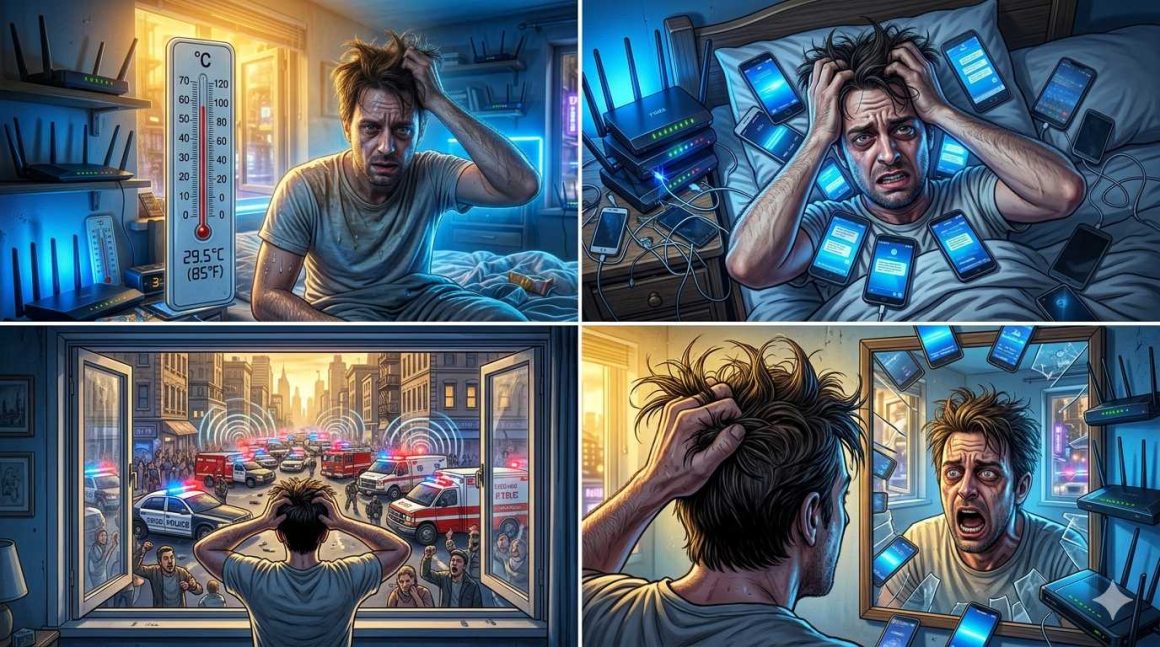
In the city, on average, you have thirty WiFi networks impacting you while you sleep. Not one. Thirty. Each router emits an electromagnetic field that operates 24/7, through your apartment walls, whether you’re awake or not. Add to that the phones — yours, your neighbors’ — Smart TVs, smart devices, tablets. All on. All active. All emitting.
People sleep with their phones next to their pillow and wonder why they don’t sleep well. No mystery. It’s physics.
| 🔬 SCIENCE • RMIT University Randomized Study 2024 Double-blind, placebo-controlled: exposure to WiFi radiation over 7 consecutive nights produced measurable sleep disturbances — increased brain activity in non-REM, measurable sleep disruptions, and clinical insomnia risk in over a quarter of participants. Clear dose-response relationship, adjusted odds ratio 1.68 (DOI: 10.3389/fpubh.2024.1481537). |
The ideal solution is a Faraday cage — a bedroom that completely blocks external electromagnetic fields. Technically possible. Difficult to implement for the average person. But there’s a first step you can take tonight: router off before sleep, phone in another room. If you want to cut your phone’s signal fast, a piece of aluminum foil around it does exactly that. Signal gone. Guaranteed.
Paradoxically, the human matrix is highly adaptable to toxins, to electromagnetic pollution — but even it has limits. Let’s state them, since I don’t expect too many people to actually read this. When do people have time to read if they’re exhausted — and ironically, they don’t even rest at night.
2. The Discharge Your Body No Longer Makes
The human body should operate at a cellular electrical potential between −50mV and −80mV. This is the optimal range for normal cellular function, energy synthesis and tissue repair. The problem is it no longer happens.
Synthetic clothes, synthetic mattresses, synthetic sheets, synthetic floors, rubber-soled shoes. We’ve cut all direct contact with the ground — the infinite natural source of free negative electrons that kept us in electrical balance for hundreds of thousands of years. Positive electrical charges — what we call static electricity — accumulate in the body without discharge. And they’re not beneficial.
You need to understand something fundamental: everything that antioxidants do is based on negative electrical charges. The more, the better. Grounding — direct contact with the earth — is literally a free source of negative electrons. Nature doesn’t make gifts without reason.
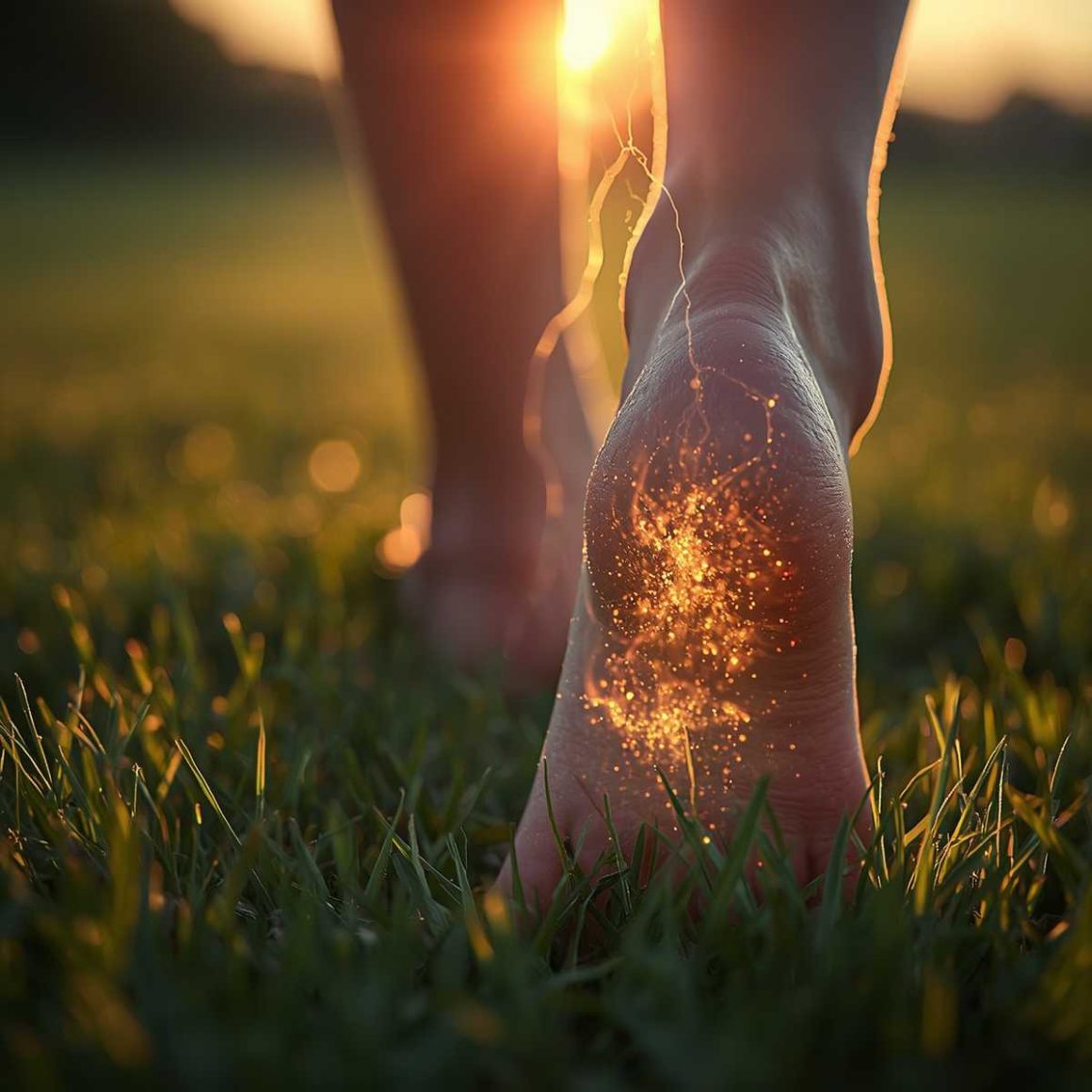
| 🔬 DATA • Grounding and Cortisol Randomized double-blind placebo-controlled study (ScienceDirect 2025): grounding sheets significantly reduce nocturnal cortisol and resynchronize cortisol secretion with the 24-hour circadian rhythm. Body voltage drops from an average of 3.27V ungrounded to 0.007V after grounding. Mitochondrial: ATP up 5–11%, oxidative stress down 22–33%. (PMC3265077) |
Practical solutions exist. Walking barefoot on grass, earth or sand — 20–30 minutes daily. Conductive mattress pads and sheets connected to the electrical ground — scientifically tested, commercially available. Natural clothes in the evening — cotton, wool, linen. Ideally, hug a tree every day. Not a metaphor. It’s a protocol.
3. Seven Processes Sleep Repairs Every Night
You don’t sleep so you won’t be tired tomorrow. You sleep to stay alive. There are seven critical processes that occur exclusively — or predominantly — in sleep. Every missed night interrupts all of them. Simultaneously.
Mechanism 1 — Growth Hormone (HGH)
HGH is released in massive pulses during deep non-REM and REM. Repairs muscle, consolidates bone, burns fat. The equation is simple and brutal: in the gym you create the stress. In sleep you build the muscle. Cut deep sleep, cut HGH. Cut HGH, and no matter how much you train — recovery doesn’t happen at normal parameters. A randomized crossover study measured the direct effect: a single night of sleep deprivation reduces muscle protein synthesis by 18%, increases plasma cortisol by 21% and decreases testosterone by 24% (PMC7785053).
| Ref. | Van Cauter E et al., Journal of Sleep Research, 2000 • PMC7785053 |
Mechanism 2 — The Glymphatic System — Brain Cleanup
Few people know that the brain actively cleans itself during sleep. Only during sleep or deep meditation.
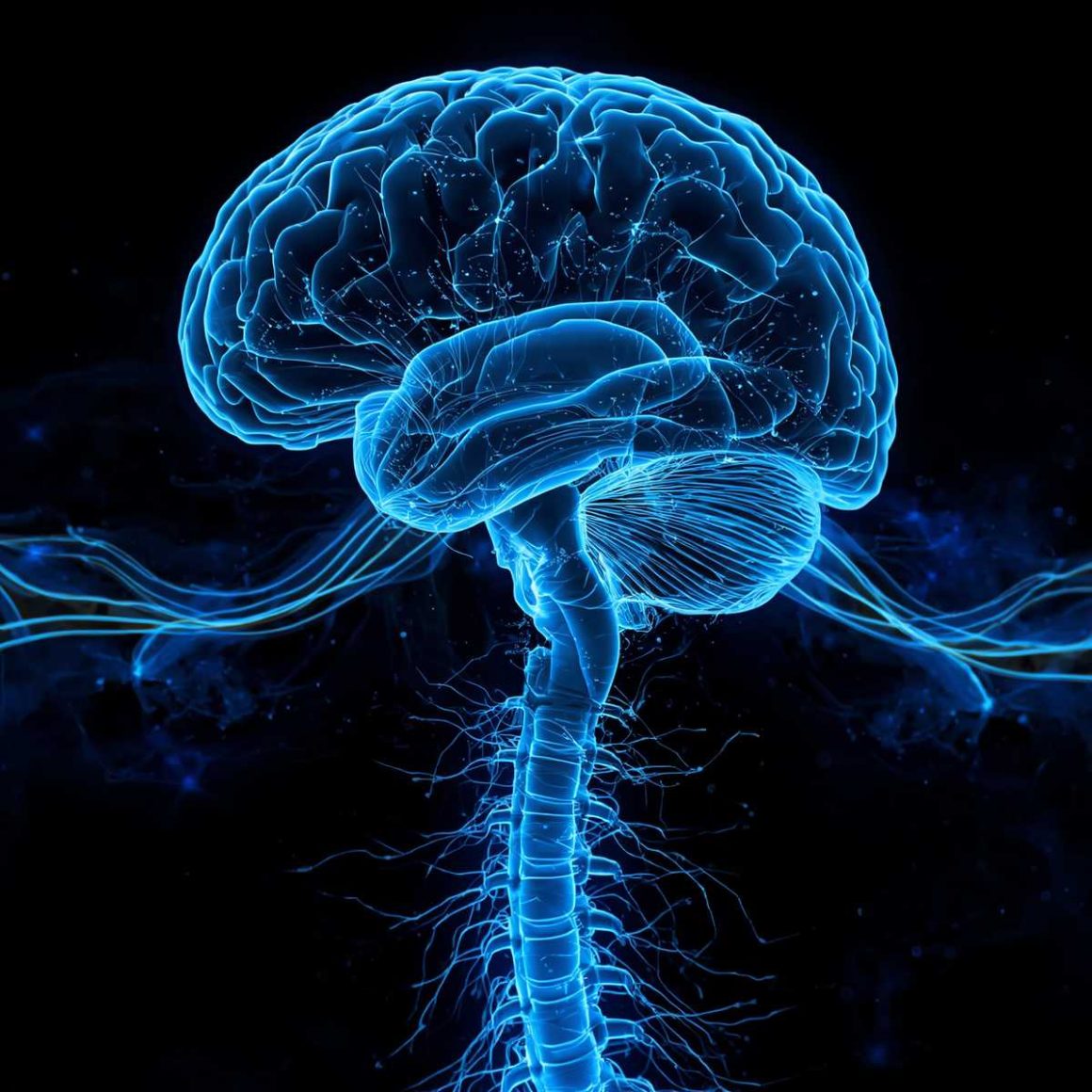
There is a system of perivascular channels through which cerebrospinal fluid literally washes the brain of metabolic toxins: beta-amyloid, tau, alpha-synuclein. These proteins, if they accumulate, cause neurodegeneration. A study published on medRxiv in 2025 — the first to directly test this in humans — confirmed that active glymphatic clearance during sleep is the dominant factor influencing plasma levels of beta-amyloid and tau in the morning (DOI: 10.1101/2024.07.30.24311248).
But that’s the tip of the iceberg. The brain feeds only on sugar. When it becomes insulin resistant — which happens without quality sleep — it starves. This is the direct path to type 3 diabetes — the real medical literature term for Alzheimer’s viewed as cerebral insulin resistance. Sleep is not optional when it comes to the brain. It’s infrastructure.
| Ref. | Iliff JJ et al., Science Translational Medicine, 2012 • Xie L et al., Science, 2013 • de la Monte SM, 2008 |
Mechanism 3 — Immunity and Cancer
A single bad night of sleep reduces NK cell activity — Natural Killer cells, the first line of defense against cancer cells — by up to 70%. Not 10%. 70. Chronic deprivation significantly suppresses this immune surveillance, leaving fewer defenses available to detect early cellular changes. A 2024 meta-analysis in Frontiers in Immunology shows the direct link: chronic sleep deprivation increases tumor volume, accelerates cellular proliferation and reduces CD3+ T cell and NK cell infiltration in the tumor microenvironment.
A single night of partial sleep deprivation can raise IL-6 and TNF-α levels — systemic inflammation markers — via NF-κB activation, a transcription factor associated with cancer (ScienceDirect, 2025). Not conspiracy. Documented biochemistry.
| Ref. | Irwin M et al., FASEB Journal, 1996 • PMC8446513 • ScienceDirect 2025 |
Mechanism 4 — Cortisol — The Poison We Never Neutralize
Cortisol is like fire. It must be extinguished, neutralized — and that costs. If you get angry for 5 minutes at work, you come home at a deficit from a biochemical resources perspective. That’s not a joke, not a metaphor — it’s been demonstrated by Harvard University.
One night of insufficient sleep increases plasma cortisol by 21% and decreases testosterone by 24%. These are the most important anabolic-catabolic signals in the body. Testosterone builds. Cortisol destroys. Lower the first, raise the second and you wake up in a purely catabolic environment, every day, regardless of what you eat or how much you train.
With chronic stress, cortisol never returns to normal. A five-minute stress discharge generates a cortisol response that takes hours to return to baseline. It accumulates day after day. Sleep debt amplifies exactly this mechanism. Sleep loss and the cortisol-testosterone imbalance is the primary mechanism through which sleep deprivation induces insulin resistance.
| Ref. | PMC7785053 • Liu PY, Reddy RT., Reviews in Endocrine and Metabolic Disorders, 2022 |
Mechanism 5 — Memory and REM
REM means memory consolidation, generation of new strategies, neuroplasticity. Non-REM means physical repair. Cut REM and you cut cognitive performance the next day. Simple and direct.
Why don’t I forget things? Because I have energy available in the hippocampus. Energy in the hippocampus means functional memory. You have energy, you don’t forget. No energy, you forget. As long as you’re only engaged in worry and entertainment, no energy is left for internal processes or regeneration. Brain fog becomes part of your normal — but it’s not normal.
| Ref. | Stickgold R., Science, 2005 • Walker MP & Stickgold R., Neuron, 2004 |
Mechanism 6 — The Muscle’s Circadian Clock
The muscle has its own internal clock — genes Per2 and BMAL1. Without circadian alignment, it can neither repair nor grow. And the building materials are missing.
We need essential amino acids in nano-molecular form for reconstruction — especially L-Leucine and L-Lysine from Thot Nutrition (thotnutrition.com/shop/) — these are the basic materials the muscle waits for at night. Without them, tissue repair remains incomplete regardless of how much you sleep. The cellular program ignores you gracefully if you don’t give the body what it needs to work.
Do you think the cellular program is the problem? No. The basic materials are the problem because they’re not available. Where are the essential amino acids? Where’s Leucine, Lysine, Tryptophan, the Vitamin C, the Glycine, the NAC? And the list goes on. All of this is irrelevant if inflammation is at alarming levels. The body puts out the fire first. What’s left? Something scorched that needs to be rebuilt. Fine — that’s normal. That happens everywhere in nature. WHAT IS NOT NORMAL IS THAT THE FIRE REPEATS THE NEXT DAY.
Fortunately I have seen this and created solution at the highest standard. Japan Grade (See project Thot Nutrition – https://thotnutrition.com/)
| Ref. | Harfmann BD et al., Skeletal Muscle, 2015 • Mayeuf-Louchart A et al., Science Advances, 2019 |
Mechanism 7 — The 90-Minute Cycles
Humans operate in 90-minute cycles. Optimal: 4.5h, 6h, 7.5h, 9h — and so on. Between them, you wake up broken. Don’t hit snooze — you enter a new cycle you won’t finish. Set your alarm for 4h30, 6h or 7h30 and respect the cycle. Over time, the body calibrates and wakes itself up before the alarm.
4. You Don’t Have Tryptophan. That’s Why You Don’t Have Melatonin.
Tryptophan is the precursor of serotonin. Serotonin is the precursor of melatonin. Without sufficient L-Tryptophan in the right absorbable form, your body cannot produce enough melatonin to induce quality sleep. The mechanism is direct and verified.
The complete pathway: Tryptophan → 5-HTP → Serotonin → Melatonin
| 🔬 META-ANALYSIS • Sutanto et al., Nutrients 2021 L-Tryptophan at doses of 1g or more significantly reduces wake after sleep onset (WASO) — approximately 81 minutes less per gram. Doses between 7.5g and 12g significantly increase slow-wave sleep (deep sleep). (DOI: 10.3390/nu13082595) |
The problem isn’t lack of awareness. The problem is the form. Tryptophan from ordinary food competes with other amino acids for transport across the blood-brain barrier. The pure nano-molecular form solves this problem — maximum bioavailability, no competition on transporters.
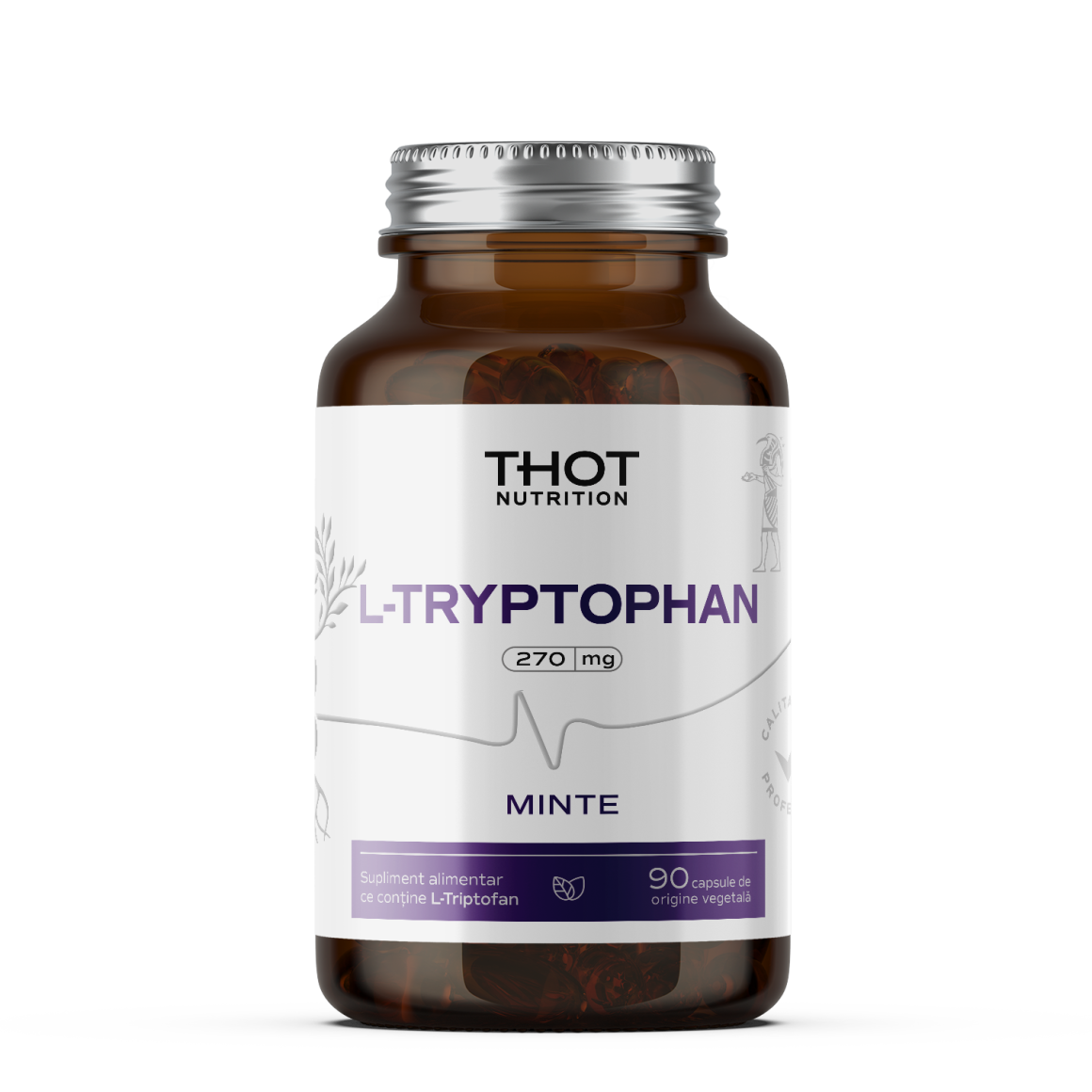
The specific product for this problem: L-Tryptophan MIND from Thot Nutrition — pure form, plant-based, orthomolecular, 100% bioavailable (thotnutrition.com).
5. Blue Light Doesn’t “Hurt Your Eyes.” It Biochemically Blocks Melatonin.

This isn’t about “screens hurting your eyes.” It’s about precise biochemistry. Blue light directly deactivates your melatonin — the hormone that triggers the sleep command — through a specific, measurable mechanism with direct consequences for sleep quality.
The mechanism: Blue light 400–490nm → ipRGC cells (retinal) → SCN (master clock) → Pineal gland → MELATONIN BLOCKED
Blue light also consumes Omega-3 from the body — especially DHA, the main structural component of photoreceptors in the retina. DHA represents 50–60% of total fatty acid content in the outer segments of photoreceptors. Without sufficient DHA, photoreceptor membranes lose optimal fluidity and susceptibility to light-induced damage increases dramatically. Double impact: melatonin blocked + photoreceptors without structural protection.
| Do you think it’s a coincidence that at the Poles — where light is extreme, where the sun doesn’t set for months — we find the highest concentration of Omega-3 marine life in the world? Polar fauna — fish, seals, whales — all with massive DHA concentrations. There are no coincidences in nature. Let’s learn from them. Bralgei Shackry |
Practical evening protocol:
- Blue-block glasses with amber lenses from 20:00–21:00 (2025 meta-analysis, Frontiers Neurology: effective for sleep onset latency)
- Warm white / amber bulbs in the evening — not cold LED
- Candles as an evening light source — warm candlelight doesn’t suppress melatonin
- Zero devices in the bedroom — phone in another room
- No media at least 1–2 hours before sleep. Night mode reduces, doesn’t eliminate
- Non-oxidized Omega-3 daily — protects photoreceptors from blue light impact
6. You Eat Late. That’s Why You Wake Up at 2–3 AM.
Sleep requires a drop in core temperature of 1–2°C. Digestion produces heat through diet-induced thermogenesis (DIT). Protein produces the greatest thermal effect. Fat — the least. Eat late and your body is in direct conflict with the falling-asleep mechanism.
Insulin and melatonin are in opposition. Late food → insulin ↑ → melatonin ↓. Carbohydrates at night → blood sugar spike → nocturnal crash → cortisol → wake-ups at 2–3 AM. Not insomnia. Bad chemistry generated by you.
Practical rule: minimum 4–5 hour gap between last meal and sleep. Under current conditions, 3 hours is no longer sufficient. Optimal: main meal before 18:00–19:00. I eat once a day — not just for autophagy and fasting. Also for sleep.
Complete details on the circadian feeding protocol and the AMPK/mTOR mechanism: Master Program AMPK/mTOR (bralgei.com/master-program-ampk-mtor/).
7. Sleep Hygiene. Costs Nothing. Requires Decision.
Most of us sabotage sleep before we even fall asleep. These rules don’t require money. They require a decision.
- Complete darkness — no phone, no TV, no LED lights. Your brain evolved for 2 million years in complete darkness after sunset. It hasn’t adapted in 50 years of screens
- Lower temperature — window open even in winter. Head cool. Cooler sleep = deeper sleep
- Natural non-pattern sound — not white noise apps. A small water fountain — random, non-pattern natural sounds
- Your chronotype — don’t force yourself to sleep at 10 if your body doesn’t want to. I’m a wolf — I go to sleep between midnight and 2 AM
- Exercise — 2 hours at the gym saves you 2 hours of sleep. Active muscles produce myokines that directly regulate sleep cycles
- 90-minute cycles — set your alarm at 4h30, 6h or 7h30. Don’t hit snooze
| I optimized my sleep and gained two hours per day. Not from sleep. From life. Bralgei Shackry |
One More Hack Before the End. Exercise Optimizes Sleep.
Physical activity genuinely helps sleep. It reduces the time needed for optimization and increases sleep quality. One hour of exercise reduces your sleep requirement by 1.5 hours. Not a joke. A measured reality. I recommend isometric training. Read my articles:
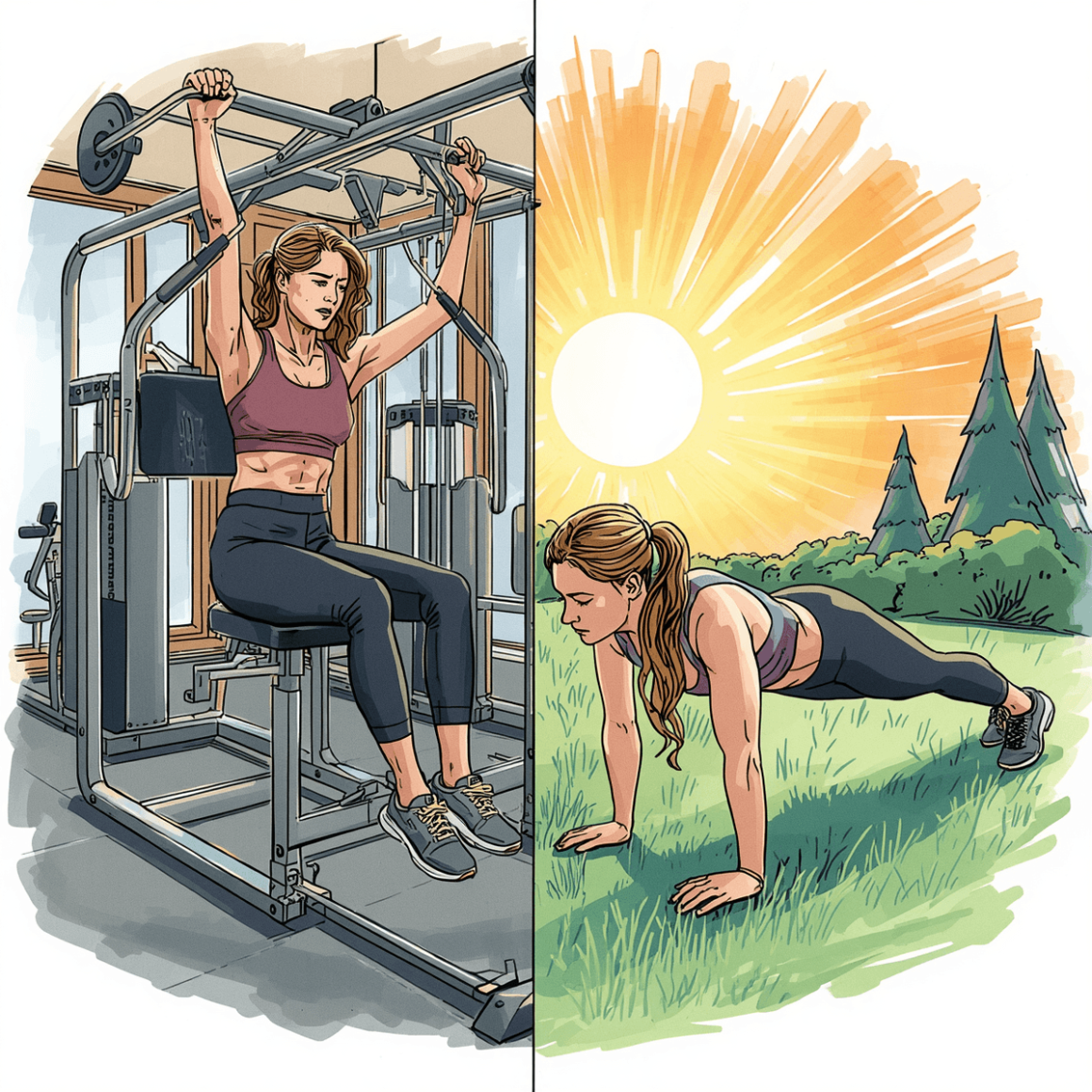
- Super Isometric Training vs. Classic — Why the Sub-2ms Signal Changes Everything (bralgei.com/super-isometric-training-vs-classic-sport/). Also this:
- New muscle hypertrophy biohacks with creatine and nano-molecular leucine in 2026
- Muscle growth and protein synthesis. Tips and biohacks
Sleep Optimizes. Like Any Other System.
It has measurable parameters, controllable variables and a predictable output from the correct input. But before you optimize, you need to understand that you’re not tired because you don’t sleep enough. You’re tired because you sleep in an environment your body never evolved for: electromagnetic, electrically isolated, cut off from direct contact with nature, full of blue light, stressed from morning to night, and with elevated insulin at hours when it should be at zero.
Every bad night registers a deficit. The deficit accumulates. The sleep debt is paid — with years of your life, or with years of quality of life. There is no third option.
The complete protocol — supplementation, grounding, sleep hygiene and monitoring with Oura Ring — is detailed in Pillar 5: Sleep and Recovery (www.bralgei.com).
| The whole idea of immortality is to die young, as late as possible. Bralgei Shackry |
SCIENTIFIC REFERENCES
- Iliff JJ et al. A paravascular pathway facilitates CSF flow through the brain parenchyma. Science Translational Medicine, 2012.
- Xie L et al. Sleep drives metabolite clearance from the adult brain. Science, 2013. DOI: 10.1126/science.1241224
- Sutanto CN et al. The impact of tryptophan supplementation on sleep quality. Nutrients, 2021. DOI: 10.3390/nu13082595
- Leproult R & Van Cauter E. Effect of 1 week of sleep restriction on testosterone levels. JAMA, 2011.
- Challis LJ et al. Does radiofrequency radiation impact sleep? Frontiers in Public Health, 2024. DOI: 10.3389/fpubh.2024.1481537
- Chevalier G et al. Earthing: Health Implications. J. Environmental and Public Health, 2012. PMC3265077
- Stickgold R. Sleep-dependent memory consolidation. Nature, 2005.
- Harfmann BD et al. Muscle-specific loss of Bmal1. Skeletal Muscle, 2015.
- Liu PY, Reddy RT. Sleep, testosterone and cortisol balance, and ageing men. Reviews in Endocrine and Metabolic Disorders, 2022.
- PMC7785053 — Acute sleep deprivation reduces muscle protein synthesis by 18%.
- PMC8446513 — Sleep deprivation disturbs immune surveillance and promotes hepatocellular carcinoma.
- Walker M. Why We Sleep. Scribner, 2017.
- DOI: 10.1101/2024.07.30.24311248 — Glymphatic clearance of amyloid beta and tau in humans, medRxiv, 2025.
© 2026 Gabriel Peșa (Bralgei Shackry) • bralgei.com • All rights reserved


